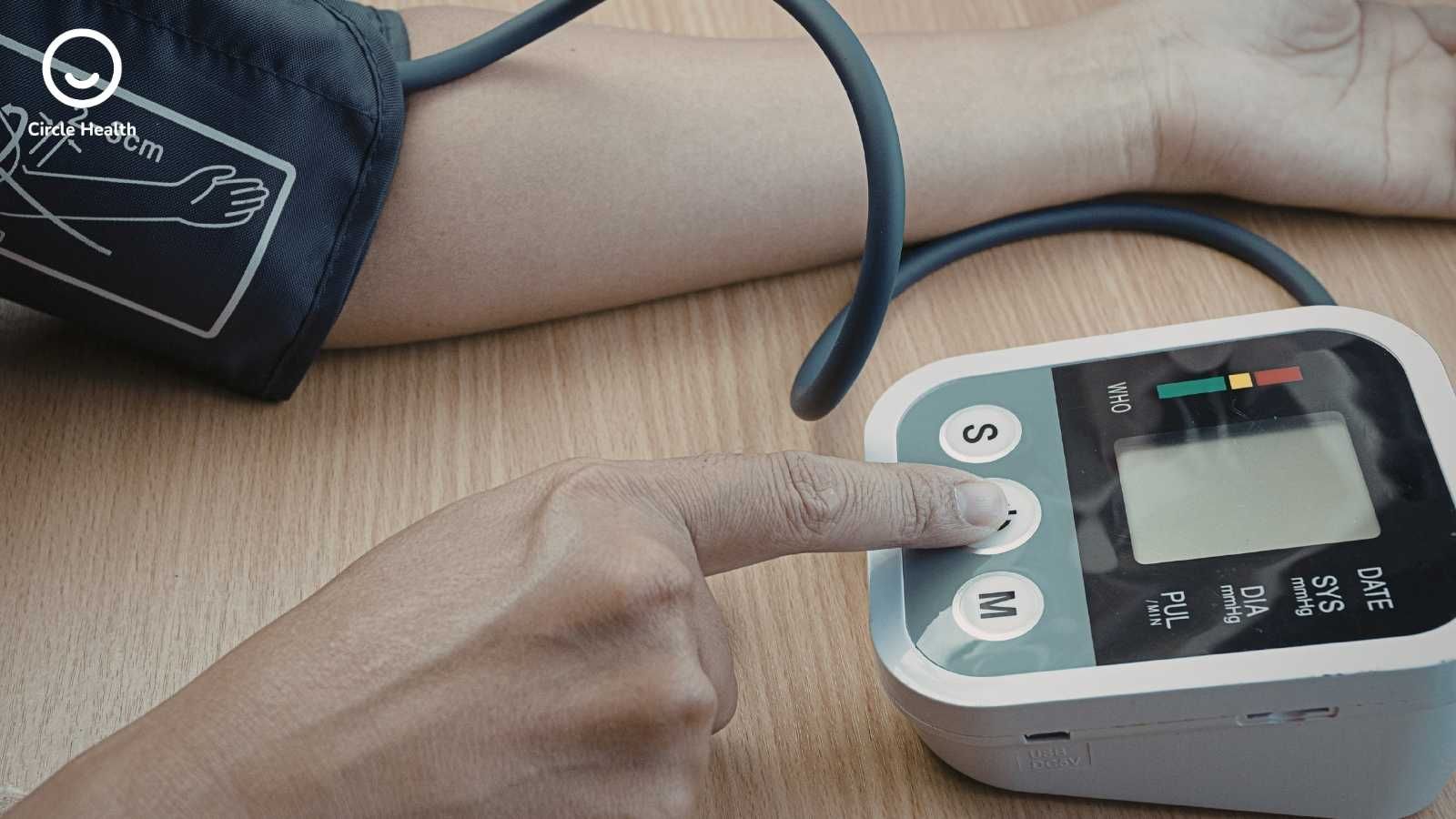
Best remote blood pressure monitoring devices for home use in 2026. Compare accuracy, connectivity, RPM compatibility, and key features.
Hypertension affects approximately 120 million adults in the United States, and nearly half of them do not have it under control. According to the U.S. Centers for Disease Control and Prevention (CDC), high blood pressure remains one of the leading risk factors for heart disease and stroke. A single blood pressure reading taken at an office visit every few months is rarely enough to manage a condition that changes daily with stress, diet, sleep, and medication adherence. Remote blood pressure monitoring - using clinically validated devices at home that transmit data directly to a care team - changes that dynamic entirely.
For patients, caregivers, and the healthcare providers and RPM program managers evaluating devices to deploy at scale, the choice of monitor matters. Accuracy, connectivity, cuff fit, ease of use, and clinical integration all determine whether a device produces useful data or simply sits in a drawer.
What to Look for in a Remote Blood Pressure Monitor
Not all blood pressure monitors marketed for home use are suitable for remote patient monitoring programs. Before reviewing specific devices, these are the criteria that matter most:
- Clinical validation - The device should appear on the U.S. Blood Pressure Validated Device Listing (VDL), managed by the American Medical Association (AMA). Validation confirms the device meets independent accuracy standards through rigorous clinical testing.
- Connectivity type - Cellular devices transmit data automatically without relying on a patient's smartphone or Wi-Fi. Bluetooth devices require pairing with a phone, which can reduce adherence in older populations. For RPM programs, cellular is generally preferred.
- Cuff size compatibility - An ill-fitting cuff is one of the most common causes of inaccurate readings. Look for monitors with wide-range cuffs or multiple cuff options.
- RPM platform integration - For clinical use, the device must integrate with the RPM platform that routes data to the care team's dashboard.
- Ease of use - Single-button operation, large displays, and automatic inflation reduce user error and support consistent daily readings.
Top Remote Blood Pressure Monitors for 2026
1. Omron Platinum BP5465 - Best Overall for Clinical Accuracy
The Omron Platinum is the most widely recommended upper-arm blood pressure monitor for home use in 2026. It uses TruRead technology to take three consecutive readings automatically and average the results, reducing the impact of individual measurement variability. It stores 200 readings per user for two users and connects to the Omron Connect app via Bluetooth.
Key features:
- Listed on the AMA's validated device listing
- Validated by AAMI, ESH, and BHS international standards
- Wide-range cuff fits arm circumferences of 9–17 inches
- Irregular heartbeat detection
- Bluetooth connectivity to the Omron Connect app
Best for: Patients and caregivers who want the highest individual reading accuracy for personal monitoring.
2. Withings BPM Connect - Best for Automatic Data Sync
The Withings BPM Connect is designed for patients who need frictionless data transmission. It syncs readings automatically via Wi-Fi, eliminating the need for the user to open an app, making it ideal for less tech-savvy patients. The rechargeable battery lasts up to six months on a single charge.
Key features:
- Clinically validated and FDA-cleared
- Wi-Fi and Bluetooth connectivity with automatic syncing
- Color-coded on-device feedback for immediate patient understanding
- Six-month rechargeable battery life
- Compatible with Apple Health and the Withings Health Mate app
- Integrates with RPM platforms via API
Best for: Patients in RPM programs where automatic, hands-off data transmission is the priority.
3. A&D Medical UA-651BLE - Best for Multi-Standard Clinical Validation
The A&D Medical UA-651BLE holds validations from three independent clinical standards: ESH, AAMI/ANSI/ISO 81060-2, and the AMA's VDL - making it one of the most thoroughly validated devices in its class. It features single-button operation, an irregular heartbeat detection indicator, and a wide-range cuff.
Key features:
- Triple clinical validation (ESH, AAMI/ISO, AMA VDL)
- Bluetooth connectivity to the A&D Heart Track App
- Irregular heartbeat detection
- Wide-range cuff (8.6–16.5 inches)
- 30-reading internal memory
- Compatible with leading RPM platforms via Bluetooth integration
Best for: RPM program managers and health systems that require the highest independent validation standard per device.
4. Greater Goods Bluetooth Blood Pressure Monitor - Best Value
The Greater Goods monitor earned the top accuracy ranking from Wirecutter after over 60 hours of independent testing and is listed on the AMA's validated device listing. At under $65, it offers clinical-grade accuracy at a price point accessible for large-scale RPM enrollment programs.
Key features:
- AMA VDL validated
- Bluetooth connectivity with iOS and Android app support
- Upper-arm cuff design for maximum accuracy
- Simple interface suitable for patients with limited tech experience
Best for: Practices or programs that enrol high volumes of patients, where per-device cost is a significant factor.
Bluetooth vs. Cellular: What RPM Programs Need to Know
For individual patients monitoring at home and sharing readings with their physician, Bluetooth-connected devices work well. For structured Remote Patient Monitoring (RPM) programs billed under Medicare CPT codes 99453, 99454, 99457, and 99458, cellular devices are often preferable.
Cellular blood pressure monitors transmit readings directly to the RPM platform over a 4G connection - no smartphone, Bluetooth pairing, or Wi-Fi required. This eliminates the most common adherence failure points in elderly or low-tech patient populations and ensures 16+ days of monthly readings are captured reliably, which is the CMS threshold required for billing CPT 99454.
For a broader look at how RPM programs are structured, what outcomes they achieve for hypertensive patients, and how monitoring data integrates into clinical workflows, see our RPM pros, cons, and benefits guide.
Medicare Coverage and RPM Billing for Blood Pressure Monitoring

Blood pressure monitors used within a Medicare-enrolled RPM program are covered under the Medicare Physician Fee Schedule, with specific CPT codes governing reimbursement:
- CPT 99453 - Initial device setup and patient education (one-time, ~$19)
- CPT 99454 - Monthly device supply and data transmission, requiring 16+ days of readings (~$55/month)
- CPT 99457 - First 20 minutes of clinical staff review and communication per month (~$50/month)
- CPT 99458 - Each additional 20-minute increment of staff review (~$41/month)
Practices can generate meaningful recurring revenue per hypertensive patient enrolled while delivering measurable clinical benefit - studies show RPM-enrolled patients with stage 2 hypertension have achieved systolic blood pressure reductions averaging over 16 mmHg.
Conclusion
Choosing the right remote blood pressure monitor is not just a device procurement decision - it is a clinical one. Accuracy, validated performance, connectivity reliability, and integration with care team workflows all determine whether a device delivers on its promise. For individual patients, the Omron Platinum and Withings BPM Connect represent the strongest options for accuracy and convenience, respectively. For RPM programs enrolling at scale, the A&D Medical UA-651BLE and cellular-capable devices offer the validation standards and transmission reliability that clinical programs require.
As hypertension management increasingly moves out of the clinic and into the home, the quality of the device patients use every day directly shapes the quality of data providers act on.
Frequently Asked Questions
What makes a blood pressure monitor suitable for Remote Patient Monitoring (RPM)?
A blood pressure monitor is suitable for RPM if it is clinically validated for accuracy, can automatically transmit data through Bluetooth or cellular connectivity, and meets CMS requirements for Medicare-covered RPM devices.
What is the AMA Validated Device Listing (VDL)?
The AMA Validated Device Listing (VDL) is a database maintained by the American Medical Association that identifies blood pressure monitors meeting independent clinical accuracy standards. It is one of the most trusted validation resources for home blood pressure devices in the U.S.
Is a prescription required to use a blood pressure monitor for RPM?
No prescription is needed to purchase a blood pressure monitor. However, participation in a Medicare RPM program requires a physician order and documented patient consent.
How many blood pressure readings are needed each month for Medicare RPM billing?
For CPT code 99454, CMS generally requires device data to be collected on at least 16 days during a calendar month. Consistent daily readings help maintain compliance and support ongoing monitoring.
Can the same blood pressure monitor be used for both personal home use and an RPM program?
In many cases, yes. Some consumer devices can connect to RPM platforms through Bluetooth integration. However, many RPM programs prefer dedicated cellular-enabled devices because they automatically transmit data and improve patient adherence.
What is the difference between Bluetooth and cellular blood pressure monitors for RPM?
Bluetooth monitors require a smartphone or tablet to send readings to the monitoring platform. Cellular monitors transmit data directly over a mobile network, making them easier to use and often more reliable for older adults and large-scale RPM programs.